GoTogether
HomeTripsFind BuddyStoriesAbout
Sign In
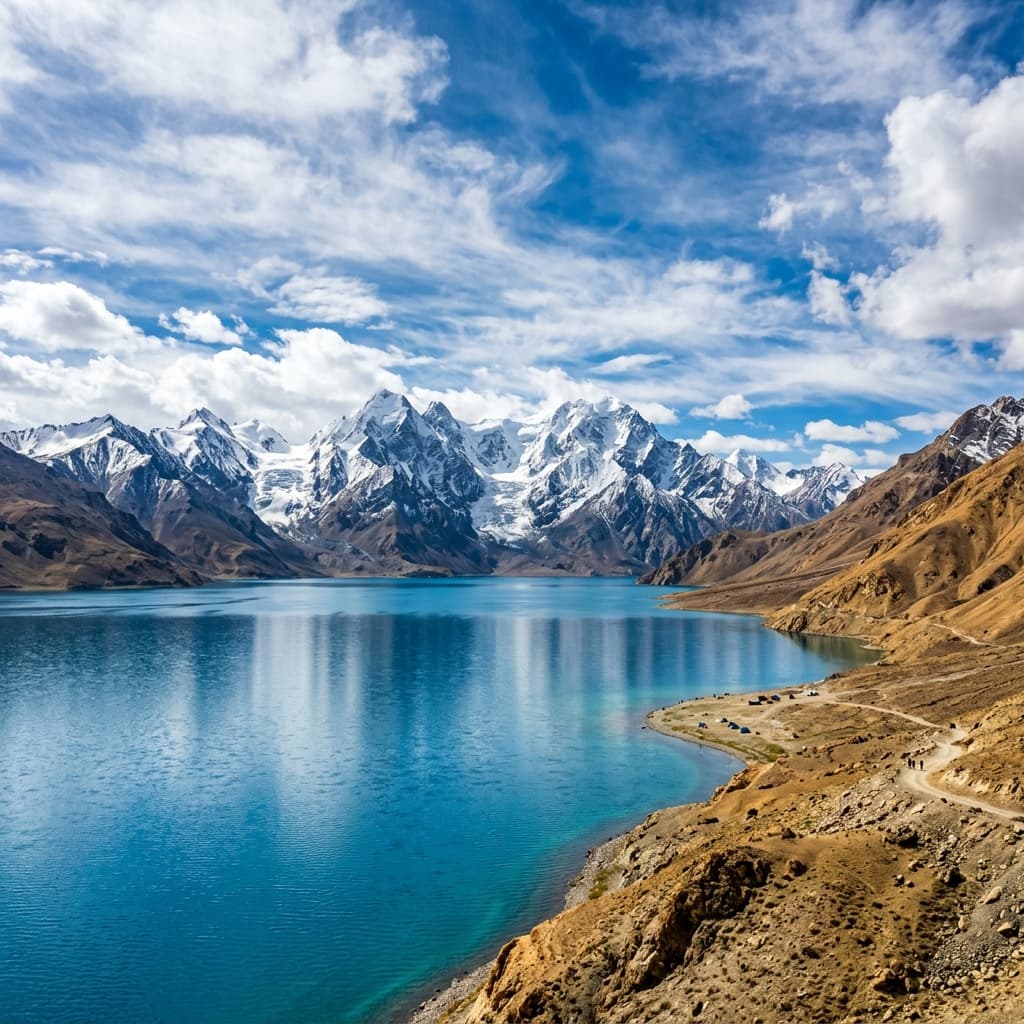
High Himalayan landscape representing the Kedarnath journey
Home/Destinations/Kedarnath Group Tours: Route, Season & Trek Guide
Kedarnath group tour guide

Kedarnath Group Tours: Route, Season & Trek Guide

Plan a Kedarnath group tour with route guidance, trek preparation, opening season, stays, weather, packing advice, nearby attractions and verified departures.

See available trips Read the guide
Best time
Temple opening season, commonly May to June and September to October; always verify official dates and weather
Ideal duration
4–6 days from Haridwar or Rishikesh, including a buffer for weather and road delays
Common gateways
Haridwar, Rishikesh and Dehradun; the trek normally begins near Gaurikund

The complete guide

A Kedarnath group tour is a high-altitude pilgrimage and trekking journey, not a casual hill-station break. The road section through Uttarakhand is long, the walking route is physically demanding and mountain weather can alter a schedule quickly. A responsible itinerary builds in acclimatization, conservative travel times and a buffer day rather than promising a rigid hour-by-hour plan.

Most group departures begin in Haridwar, Rishikesh or Dehradun and travel through Rudraprayag or Guptkashi toward Sonprayag. Local traffic controls determine the final transfer toward Gaurikund, from where the uphill journey begins. Registration systems, temple dates and transport rules can change, so travelers must follow current official instructions and the organizer’s verified briefing.
Kedarnath Temple
Mandakini valley
Himalayan trek
Guptkashi

Worth adding

Nearby attractions and route ideas

Triyuginarayan Temple

A historic temple village often added around the Sonprayag area.

Add it only when road conditions and the main pilgrimage schedule leave sufficient time.

Guptkashi

A useful overnight base with temples and views along the Kedarnath approach.

Its location can reduce pressure on the final morning transfer.

Rudraprayag

The confluence town where the Alaknanda and Mandakini rivers meet.

Treat it as a meaningful stop, not an excuse to extend an already long road day.

Chopta

A separate meadow and trekking region sometimes combined with Kedarnath routes.

It needs extra days; do not add it to a short itinerary simply because it appears nearby on a map.

High Himalayan road and mountain scenery
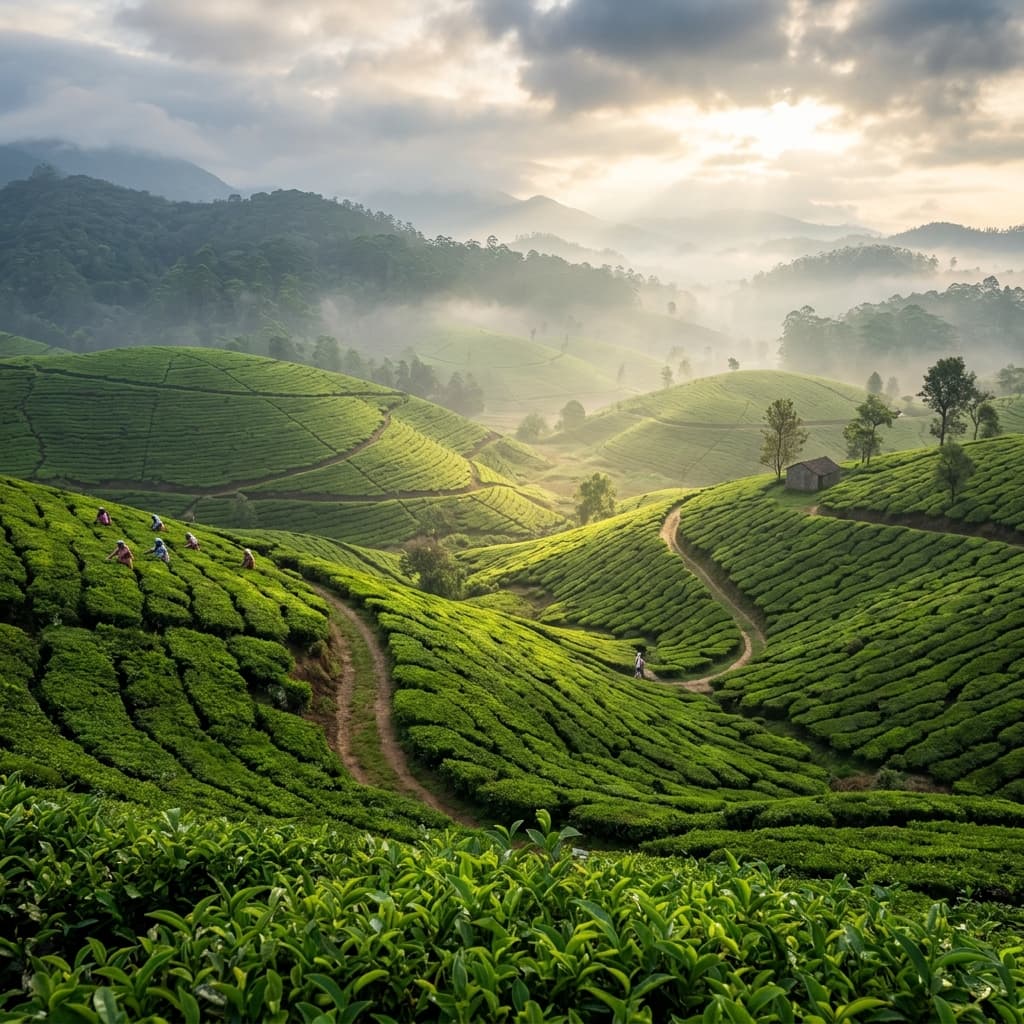
Green mountain slopes on an India journey

Live marketplace inventory

Available trips

These departures come from current public listings by GoTogether organizers. Dates and seats can change, so open a trip to verify the latest details.

Browse all trips

No matching departure is live right now

Organizer inventory changes throughout the season. Explore all live trips or return later for a departure matching this guide.

Explore all trips

Questions answered

Frequently asked questions

How difficult is the Kedarnath trek?

It is a long, sustained mountain ascent with variable weather and crowded sections in peak season. Difficulty depends on fitness, pace, altitude response and route conditions. Prepare in advance and choose a plan with adequate time.

When should I book a Kedarnath group tour?

Plan after official opening information is available and avoid relying on historical dates alone. Peak-season stays and transport can fill early, but weather risk remains, so read cancellation and rescheduling terms before booking.

Are helicopter tickets included in group tours?

Only if the trip page explicitly says so. Helicopter operations depend on weather, authorization and availability. Use official or authorized booking channels and understand refund rules separately from the land package.

What should I confirm before paying for a group trip?

Confirm the departure date, reporting point, transport type, room-sharing plan, inclusions, exclusions, minimum group size, organizer contact details, cancellation terms and refund timeline. The trip page should be your source of truth; ask the organizer to clarify anything that is not written there.

Continue planning

Uttarakhand group tripsRishikesh group tripsBest trekking destinations in IndiaTraveler safety guide
GoTogether

Connect with verified travelers, join curated trips, and explore the world with confidence.

Explore

  • Browse Trips
  • About Us
  • Sign In

Legal

  • Terms of Service
  • Privacy Policy
  • Safety Guidelines

Support

© 2026 GoTogether. All rights reserved.

Sonprayag
Rudraprayag
01

Understanding the route to Kedarnath

The road journey itself can occupy most of a day. Narrow mountain sections, traffic queues, landslide clearance and regulated movement near Sonprayag make urban travel-time estimates unreliable. Choose a trip that avoids a late-night rush on mountain roads and clearly explains where the group sleeps before and after the trek. A pre-dawn start is common, but adequate rest is more useful than an unrealistically packed sightseeing plan.

The trek from Gaurikund is steep and long. Route conditions and official distances can change with diversions, so rely on current local signage. Walk at a sustainable pace, take short breaks and protect yourself from rain and cold. Pony, palki and helicopter services operate subject to rules, availability and weather; they should be booked through authorized channels and never treated as certain until confirmed.

02

Fitness, altitude and health preparation

Begin preparing several weeks before departure with regular walking, stair climbing and moderate endurance work. New footwear is a frequent source of blisters, so break in shoes before the trip. Anyone with heart, breathing, mobility or other medical concerns should seek personal medical advice; a generic fitness promise from a tour listing is not a health clearance.

High altitude can affect fit travelers too. Move slowly, stay hydrated, eat light meals and tell the trip leader immediately if you develop a persistent headache, unusual breathlessness, confusion, loss of coordination or worsening nausea. Do not hide symptoms to keep up with the group. A credible organizer will prioritize descent or medical evaluation over completing a checklist.

03

What to pack for a Himalayan pilgrimage

Pack layers rather than one heavy garment: a moisture-managing base, warm mid-layer and waterproof outer shell work across changing conditions. Carry a rain cover, warm cap, gloves, spare socks, personal medicines, sunscreen, sunglasses, water and compact snacks. Keep valuables and essential documents in a small daypack because luggage access may be limited during transfers.

A trekking pole can improve stability on wet or uneven sections. Keep total weight modest, label bags and use dry pouches for electronics and medicines. The temple area requires respectful clothing and behavior. Avoid disposable plastic where local rules restrict it, refill water responsibly and carry every piece of personal waste back to an appropriate bin.

04

Stays, meals and booking checks

Accommodation along pilgrimage routes is practical and can be basic, especially during busy dates. Ask whether rooms are heated, how many travelers share, whether hot water is timed and how far the stay is from the reporting point. Power and mobile connectivity may be intermittent. Travelers who expect resort-style service should adjust expectations before booking.

Check which meals are included and whether an early breakfast or packed meal is provided on trek day. Compare the cancellation policy carefully because weather disruptions can affect transport even when the organizer is ready to operate. Understand how unused services, helicopter bookings and voluntary route changes are handled before paying.

05

How to compare available group trips

Start with the itinerary and work outward. Confirm that each day has realistic travel time, named overnight stops and enough rest for the planned activity. Then compare the transport, stay category, room-sharing format, meals, permits and local transfers. Two packages with the same destination and duration can deliver very different experiences when one includes the last-mile journey and the other treats it as an add-on.

Price should be read together with exclusions. Look for taxes, activity charges, personal transport, early check-in, single-room supplements and meals outside the written plan. Check the organizer’s public profile and visible reviews, but read comments for specific evidence instead of relying only on a rating. If a material promise is made in a call or chat, ask for it to be added to the booking record before paying.

06

What a well-run departure should explain

A useful pre-departure note identifies the trip captain, reporting location, emergency contact, luggage limit, weather expectation and documents to carry. It also explains the minimum group size and what happens if that threshold is not met. Travelers should know whether the organizer, a local partner or the accommodation is responsible for each important part of the itinerary.

Good group travel balances coordination with personal choice. Meals, nightlife, optional activities and free-time plans should not become hidden obligations. Room allocation and roommate changes need a clear process. For outdoor or remote journeys, the leader must be able to shorten or alter the plan when weather, health or local authorities make the original route unsafe.

07

Travel insurance, cancellation and flexibility

Read cancellation terms before the excitement of booking takes over. Note the date-based deduction, whether platform and payment fees are refundable, how quickly an eligible refund is processed and whether a credit note can replace cash. Transport tickets, permits and third-party activities may follow separate rules. Ask what happens when the organizer cancels versus when weather disrupts only part of the itinerary.

Travel insurance can be useful for medical emergencies, trip interruption and other covered events, but policies contain limits and exclusions. Check whether trekking altitude, adventure activities, pre-existing conditions and weather disruption are covered for your specific plan. Keep receipts and written communication. Insurance does not remove the need for a buffer day, emergency money and a realistic return connection.

08

A practical packing system

Pack for the itinerary rather than the destination name. Start with identification, payment access, personal medicines and weather protection, then add activity-specific footwear and clothing. Use layers that can be repeated, keep one dry change accessible and avoid a suitcase that you cannot manage during a vehicle change. A small day bag should hold water, sun protection, a power bank and the items you cannot afford to lose.

Check luggage rules before an overnight bus, shared cab or trek. Label bags and keep digital copies of essential documents, while protecting sensitive data. Reusable bottles and compact toiletries reduce waste. Do not pack specialist equipment merely because it appears on a generic checklist; ask the organizer what is provided, what can be rented and what must meet a defined safety standard.

Plan your trip

Understanding the route to KedarnathFitness, altitude and health preparationWhat to pack for a Himalayan pilgrimageStays, meals and booking checksHow to compare available group tripsWhat a well-run departure should explainTravel insurance, cancellation and flexibilityA practical packing system
Compare departures
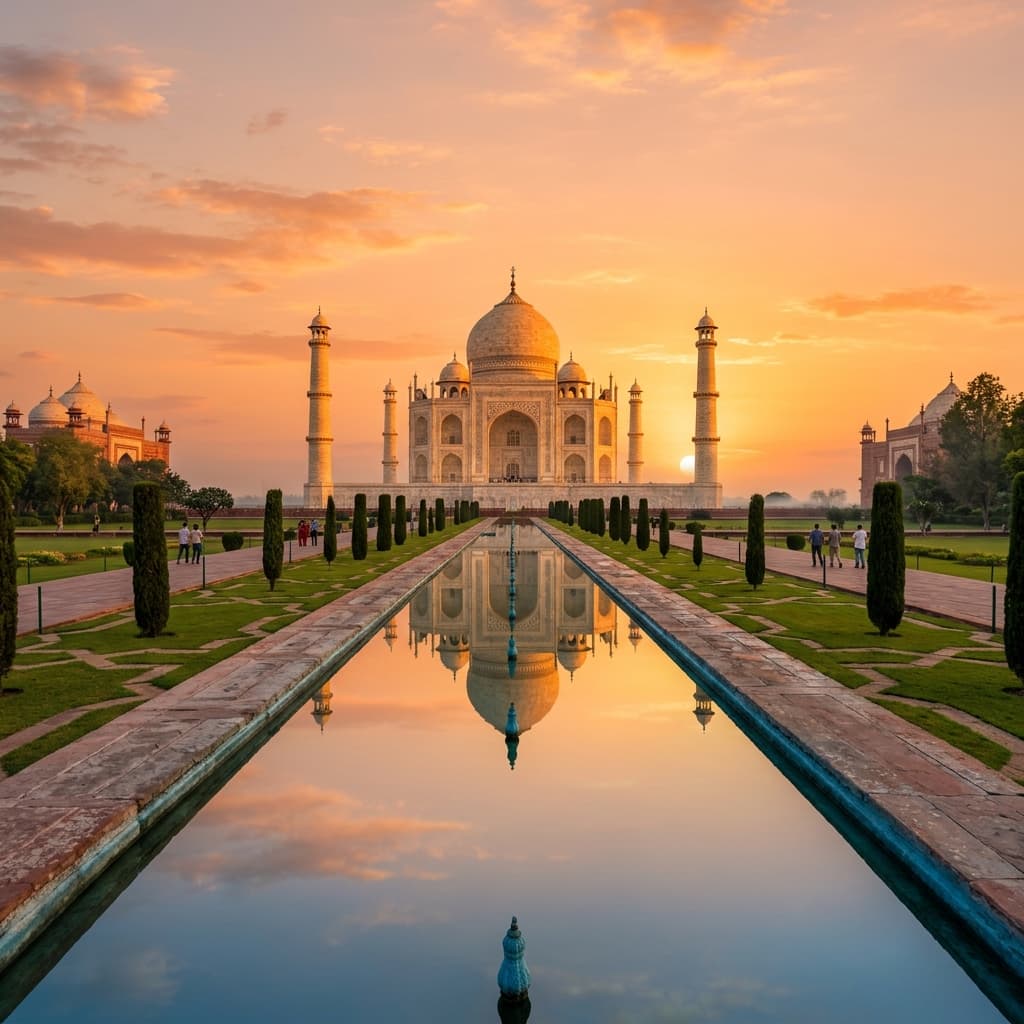
Indian heritage monument visited by travelers
Can I join a GoTogether group trip alone?

Yes, many travelers join without an existing companion. Compare the expected group profile, room-sharing arrangement, activity level and organizer support before choosing a departure. A group format reduces planning work, but it should still match your comfort and travel style.