GoTogether
HomeTripsCustom TripFind BuddyStoriesAbout
Sign In
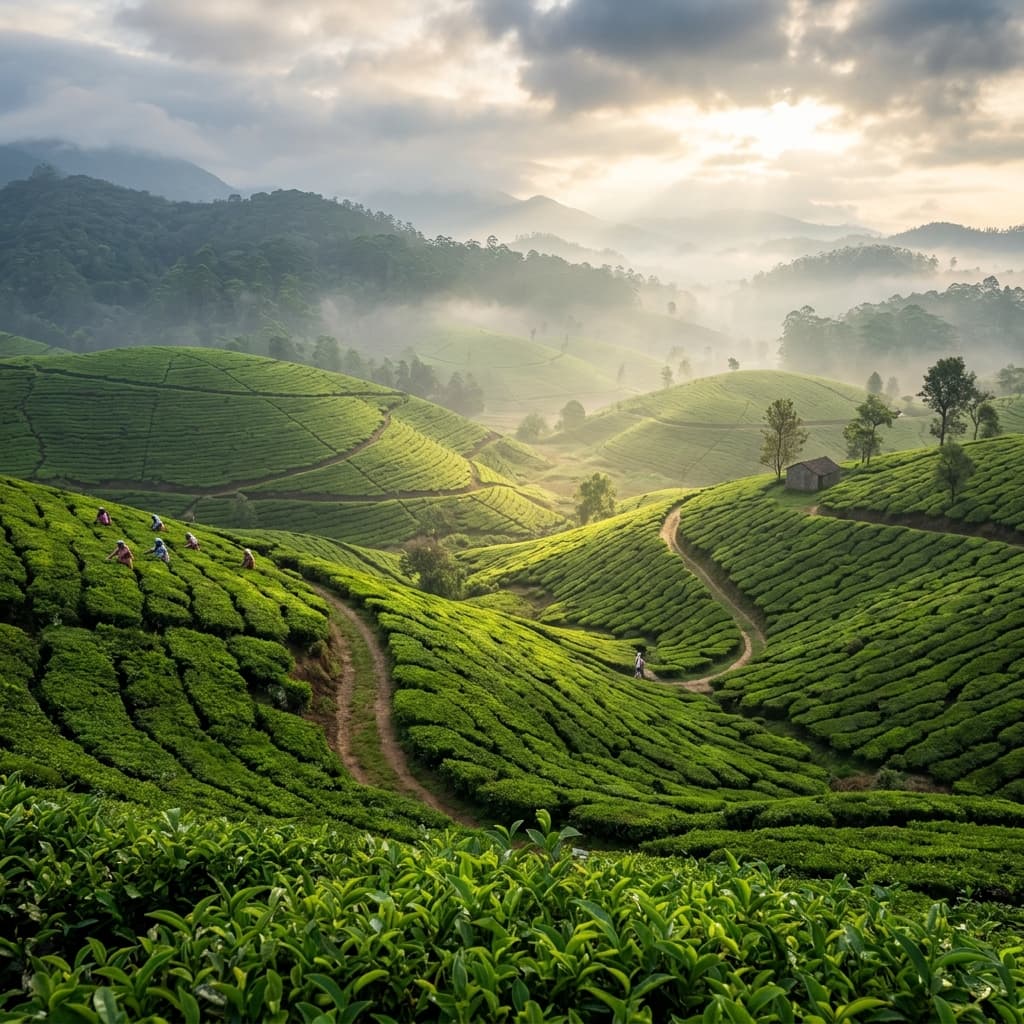
Green mountain valley representing a Kasol backpacking trip
Home/Destinations/Kasol Backpacking Trips: Parvati Valley Guide
Kasol backpacking guide

Kasol Backpacking Trips: Parvati Valley Guide

Compare Kasol backpacking trips and plan Parvati Valley stays, cafés, village walks, treks, transport, budgets, nearby attractions and verified group departures.

See available trips Read the guide
Best time
March to June and September to November; winter is quieter and colder, while monsoon requires route caution
Ideal duration
3–5 days for Kasol and nearby villages; longer when adding a proper trek
Common gateways
Bhuntar is the usual road junction; group departures often start from Delhi or Chandigarh

The complete guide

Kasol is a compact base in Himachal Pradesh’s Parvati Valley, popular for social hostels, riverside walks, café time and access to nearby villages. The appeal is less about ticking off monuments and more about settling into the valley’s pace. A backpacking trip should protect that freedom while solving the difficult parts—overnight transport, local transfers, room allocation and safe coordination.

The valley is not one continuous attraction. Kasol, Chalal, Manikaran, Tosh and Grahan each require different amounts of travel or walking. A short trip becomes exhausting when every village is forced into the same weekend. Decide whether your priority is a relaxed social break, a village stay or a trek, then select an itinerary built around that goal.
Parvati River
Chalal walk
Manikaran
Tosh
Grahan village

Worth adding

Nearby attractions and route ideas

Chalal

A nearby village reached by a forest and riverside walk from Kasol.

Return before dark unless your stay is confirmed; paths can be slippery after rain.

Manikaran

A pilgrimage town known for its gurdwara, temples and hot springs.

Dress respectfully, follow site rules and allow for traffic on the short road section.

Tosh

A high village with valley views and a distinct stay experience.

Keep a half or full day and verify the last motorable point in current conditions.

Grahan

A traditional village accessed by a longer trail from the Kasol area.

Treat it as a trek with daylight, footwear and stay planning—not a casual café hop.

Green mountain valley for a backpacking journey
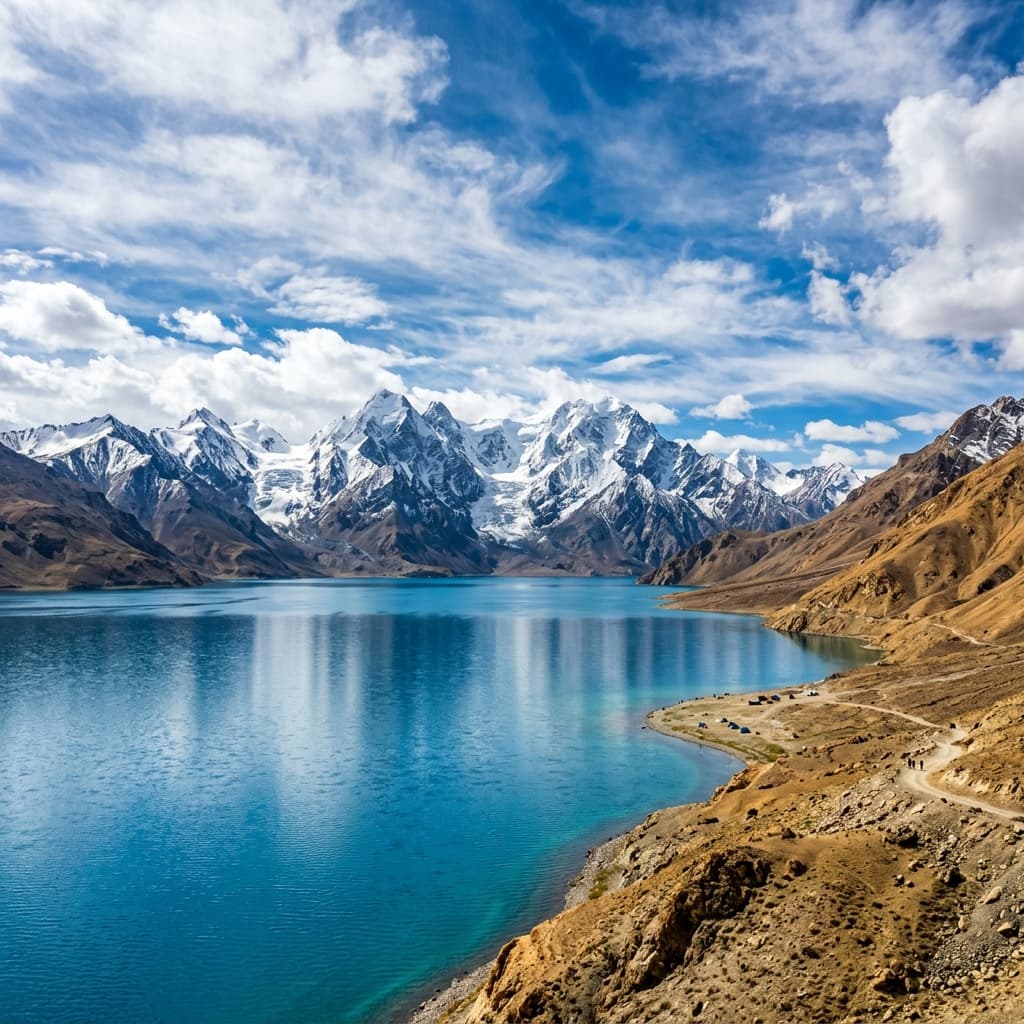
Himalayan mountain road in India
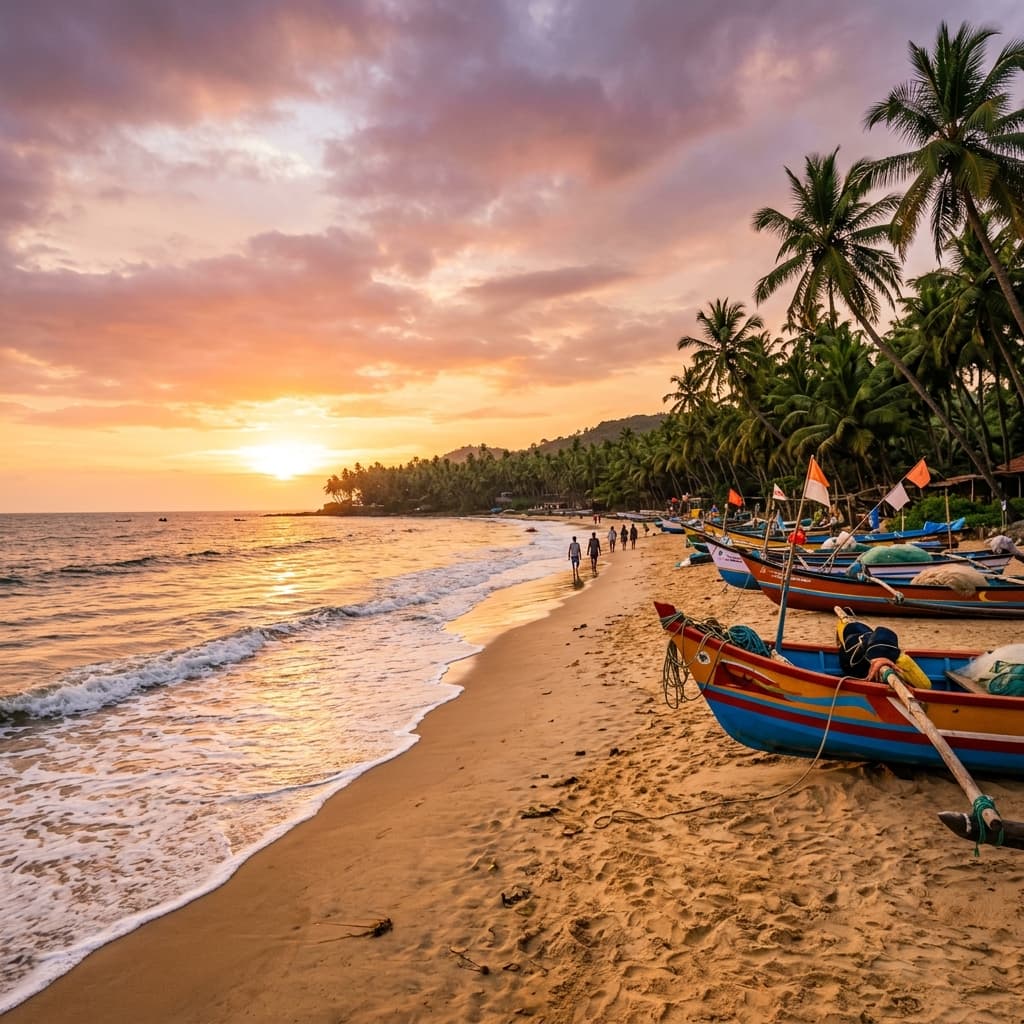
Relaxed social travel setting in India

Live marketplace inventory

Available trips

These departures come from current public listings by GoTogether organizers. Dates and seats can change, so open a trip to verify the latest details.

Browse all trips

No matching departure is live right now

Organizer inventory changes throughout the season. Explore all live trips or return later for a departure matching this guide.

Explore all trips

Questions answered

Frequently asked questions

Is Kasol suitable for a first solo backpacking trip?

It can be, especially through an organized group, because the main town has traveler infrastructure. Still verify transfers, stay arrangements and the difficulty of any village walks. Keep family or friends informed when signal permits.

How many days are enough for Kasol?

Three days can cover Kasol, Chalal and Manikaran at an easy pace. Use four or five days if you want Tosh, a village stay or a longer trek without turning the trip into continuous transit.

Does a Kasol trip include Kheerganga?

Not automatically. Only rely on the written itinerary, and verify current access, weather and local rules. A proper trek needs more preparation than a Kasol café-and-village itinerary.

What should I confirm before paying for a group trip?

Confirm the departure date, reporting point, transport type, room-sharing plan, inclusions, exclusions, minimum group size, organizer contact details, cancellation terms and refund timeline. The trip page should be your source of truth; ask the organizer to clarify anything that is not written there.

Continue planning

Manali group tripsSolo travel in HimachalTrekking destinations in IndiaBackpacking trips
GoTogether

Connect with verified travelers, join curated trips, and explore the world with confidence.

Explore

  • Browse Trips
  • Plan a Custom Trip
  • About Us
  • Sign In

Legal

  • Terms of Service
  • Privacy Policy
  • Safety Guidelines

Support

© 2026 GoTogether. All rights reserved.

Himalayan cafés
01

Planning the journey into Parvati Valley

Many group trips use an overnight bus from Delhi to the Kullu region, followed by a smaller local transfer toward Kasol. Read the pickup point and vehicle-change instructions closely. Mountain roads are winding, so carry light food, water and any motion-sickness preparation appropriate for you. Weekend traffic can delay arrival and departure; avoid booking a tight onward connection immediately after the scheduled return.

Within the valley, local buses and taxis connect the main road settlements, but schedules and availability vary. Walks to places such as Chalal are part of the experience. After dark, use a torch, stay with the group and avoid unmarked shortcuts near the river or forest. Mobile signal can be inconsistent, so save accommodation details offline.

02

Hostels, camps and group dynamics

Backpacking packages may use dorms, shared guesthouses or camps. Confirm the exact stay type, washroom arrangement, bedding, heating and luggage storage rather than assuming every listing means a private room. Riverside camps can look attractive online, but access, noise, temperature and safety barriers matter more than a photograph.

A social itinerary should still include quiet time and clear boundaries. Ask about the approximate group size, trip captain’s role and room-sharing policy. Solo travelers should know how roommates are assigned and whether a paid single room is possible. Keep valuables secure and do not let late-night activities become compulsory for the whole group.

03

Treks and village excursions

Chalal is a relatively approachable walk from Kasol for many visitors, while Grahan and other routes require more time, fitness and navigation awareness. Trail labels such as ‘easy’ are subjective and can change with rain, snow or construction. Wear grippy footwear, carry water and start early enough to return in daylight unless the itinerary includes a confirmed village stay.

Kheerganga and high-valley routes require current local verification because access rules and trail conditions can change. Choose trained local support where appropriate and never assume a social-media route description is operational advice. A day excursion to Tosh also involves road transfers and walking; it deserves dedicated time rather than becoming the last stop on an overloaded circuit.

04

Budget, food and low-impact travel

Kasol can work for a moderate backpacking budget, but peak weekends raise transport and room prices. Calculate the full cost from your home city, including the overnight transfer, local taxis, meals, entry or guide fees and a weather buffer. Café spending adds up quickly. Packages with some meals included can simplify costs, but check timings and menu limitations.

The Parvati Valley faces waste and water pressure. Refill bottles where safe, avoid single-use packaging, stay on established paths and carry your litter out. Do not enter private fields or photograph residents without consent. Respect local customs in Manikaran and village temples. Responsible travel keeps the valley livable for residents and welcoming for future visitors.

05

How to compare available group trips

Start with the itinerary and work outward. Confirm that each day has realistic travel time, named overnight stops and enough rest for the planned activity. Then compare the transport, stay category, room-sharing format, meals, permits and local transfers. Two packages with the same destination and duration can deliver very different experiences when one includes the last-mile journey and the other treats it as an add-on.

Price should be read together with exclusions. Look for taxes, activity charges, personal transport, early check-in, single-room supplements and meals outside the written plan. Check the organizer’s public profile and visible reviews, but read comments for specific evidence instead of relying only on a rating. If a material promise is made in a call or chat, ask for it to be added to the booking record before paying.

06

What a well-run departure should explain

A useful pre-departure note identifies the trip captain, reporting location, emergency contact, luggage limit, weather expectation and documents to carry. It also explains the minimum group size and what happens if that threshold is not met. Travelers should know whether the organizer, a local partner or the accommodation is responsible for each important part of the itinerary.

Good group travel balances coordination with personal choice. Meals, nightlife, optional activities and free-time plans should not become hidden obligations. Room allocation and roommate changes need a clear process. For outdoor or remote journeys, the leader must be able to shorten or alter the plan when weather, health or local authorities make the original route unsafe.

07

Travel insurance, cancellation and flexibility

Read cancellation terms before the excitement of booking takes over. Note the date-based deduction, whether platform and payment fees are refundable, how quickly an eligible refund is processed and whether a credit note can replace cash. Transport tickets, permits and third-party activities may follow separate rules. Ask what happens when the organizer cancels versus when weather disrupts only part of the itinerary.

Travel insurance can be useful for medical emergencies, trip interruption and other covered events, but policies contain limits and exclusions. Check whether trekking altitude, adventure activities, pre-existing conditions and weather disruption are covered for your specific plan. Keep receipts and written communication. Insurance does not remove the need for a buffer day, emergency money and a realistic return connection.

08

A practical packing system

Pack for the itinerary rather than the destination name. Start with identification, payment access, personal medicines and weather protection, then add activity-specific footwear and clothing. Use layers that can be repeated, keep one dry change accessible and avoid a suitcase that you cannot manage during a vehicle change. A small day bag should hold water, sun protection, a power bank and the items you cannot afford to lose.

Check luggage rules before an overnight bus, shared cab or trek. Label bags and keep digital copies of essential documents, while protecting sensitive data. Reusable bottles and compact toiletries reduce waste. Do not pack specialist equipment merely because it appears on a generic checklist; ask the organizer what is provided, what can be rented and what must meet a defined safety standard.

Plan your trip

Planning the journey into Parvati ValleyHostels, camps and group dynamicsTreks and village excursionsBudget, food and low-impact travelHow to compare available group tripsWhat a well-run departure should explainTravel insurance, cancellation and flexibilityA practical packing system
Compare departures
Can I join a GoTogether group trip alone?

Yes, many travelers join without an existing companion. Compare the expected group profile, room-sharing arrangement, activity level and organizer support before choosing a departure. A group format reduces planning work, but it should still match your comfort and travel style.